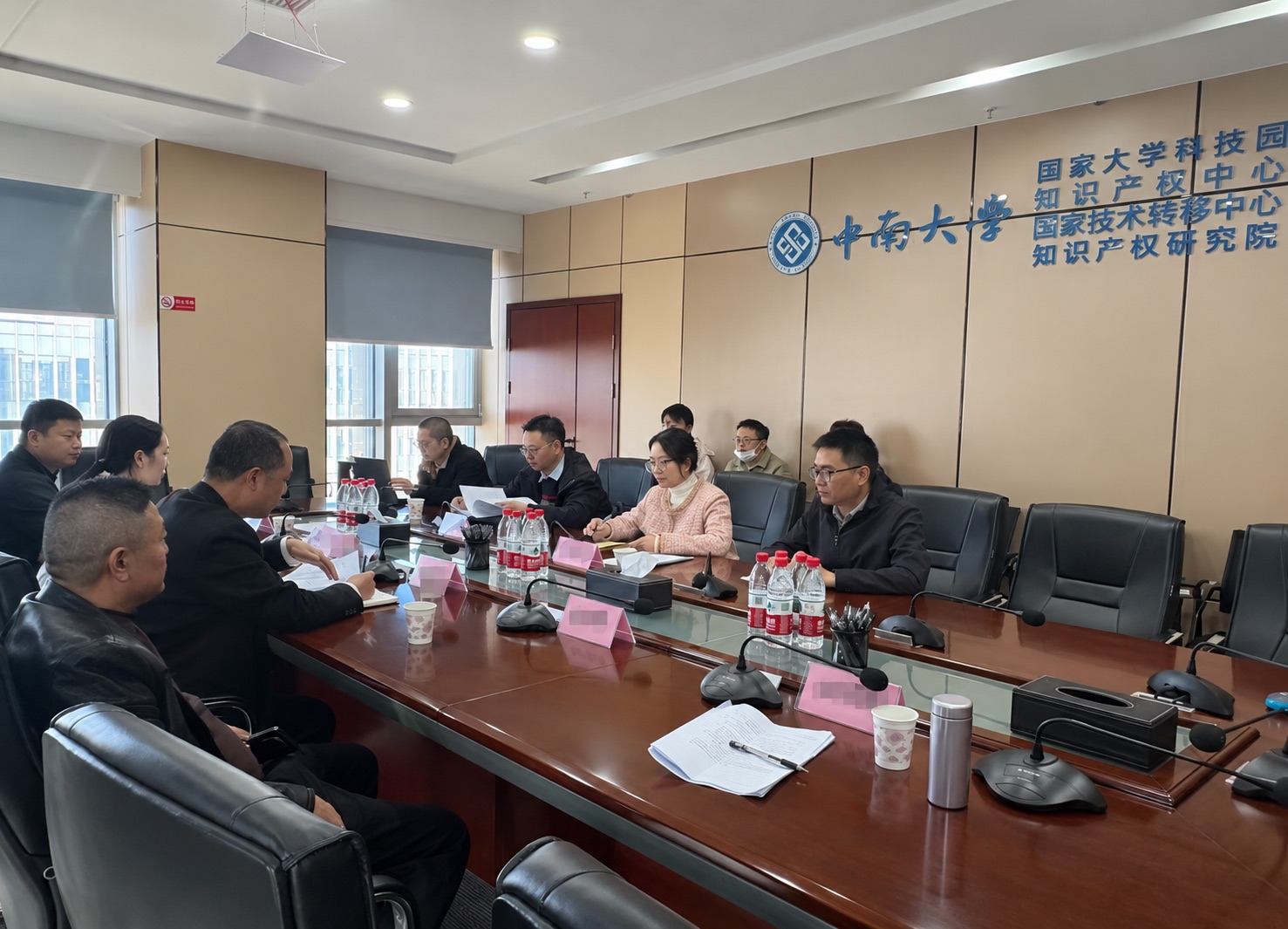
Guixi Zhongan Copper Co., Ltd., with coordination from the Guixi Bureau of Science and Technology, recently visited Central South University for discussions on industry–university research collaboration. The meeting focused on technical needs, technology transfer, and product development for high-end copper materials and downstream products. The parties expressed a preliminary intention to pursue further collaboration.
As PCB, electronics, and advanced-manufacturing applications place tighter requirements on material purity, batch consistency, and process compatibility, new copper-material development increasingly depends on more than a single specification. Laboratory evaluation, production scale-up, quality verification, and feedback from the intended application all need to be considered. The visit was intended to connect these practical manufacturing needs with relevant university research capabilities.
Aligning High-End Copper Needs with Research Capabilities
Central South University has established research strengths in nonferrous metallurgy, advanced materials, and resource recycling. Discussions covered potential product directions, process challenges, technical pathways, technology transfer, and the practical conditions required to move research toward industrial application.
The Guixi Bureau of Science and Technology outlined local support for technological innovation and research commercialization. Zhongan Copper introduced its production base and product portfolio, including technical needs related to advanced electronic copper materials for PCB applications.
Building on the company’s existing portfolio of electronic-grade copper oxide powder, copper anodes, and other copper materials, the discussion covered not only material performance but also process stability, testing, sample evaluation, and the conditions required for industrial implementation. The discussion remains at the needs-assessment and technical-evaluation stage; no specific joint research project has yet been established.
Visiting Resource Recycling Laboratories
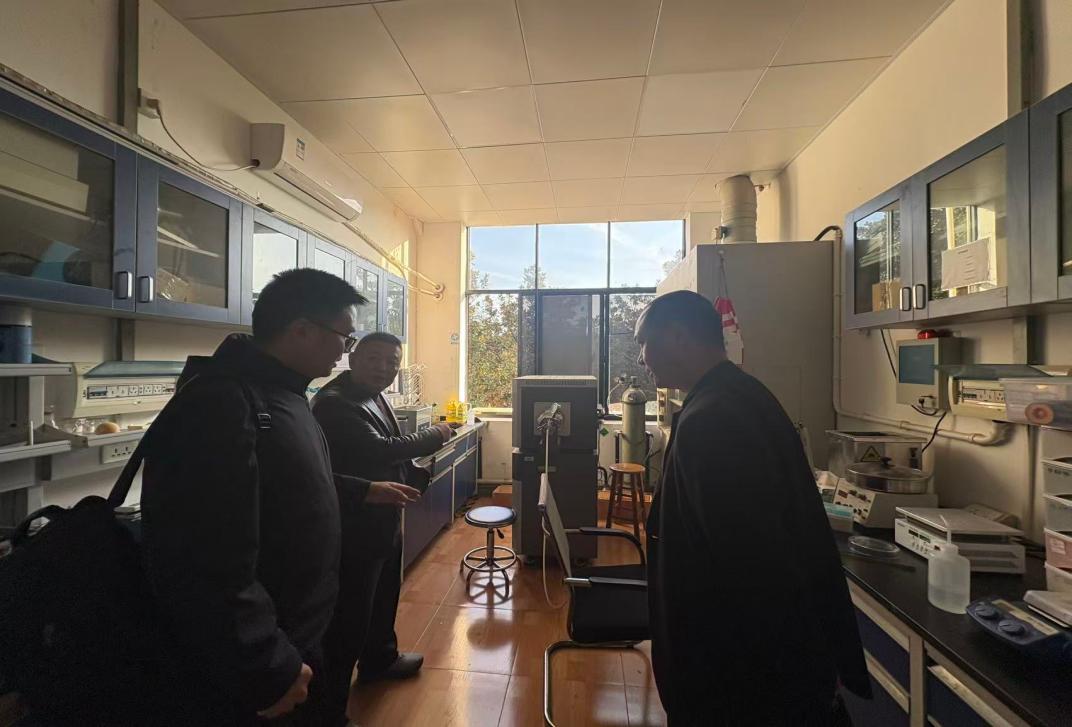
During the visit, the delegation toured laboratories at the Institute of Resource Recycling and learned about ongoing work and research equipment related to solid-waste utilization, material regeneration, and greener preparation methods.
The institute has established research capabilities in nonferrous-metal resource recycling, cleaner metallurgy, and advanced-material preparation. The laboratory tour gave the company a clearer view of the research conditions available from analytical testing through engineering-oriented verification.
The discussions also explored how resource efficiency and low-carbon approaches could support future development of high-end copper materials. These exchanges were preliminary and intended to provide a basis for further technical evaluation.
From Preliminary Intent to Technical Evaluation
The immediate outcome of the visit was a direct communication channel and a preliminary intention to explore collaboration. The next step is to translate broad areas of interest into testable technical questions, with a defined application, evaluation method, project stage, and boundary for industrial implementation before any formal project is considered.
Prioritize specific process and quality challenges for high-end copper materials and downstream products.
Review candidate technical routes through documentation, sample testing, and laboratory evaluation where appropriate.
If the technical case is validated, discuss joint research, technology transfer, project applications, and implementation support.
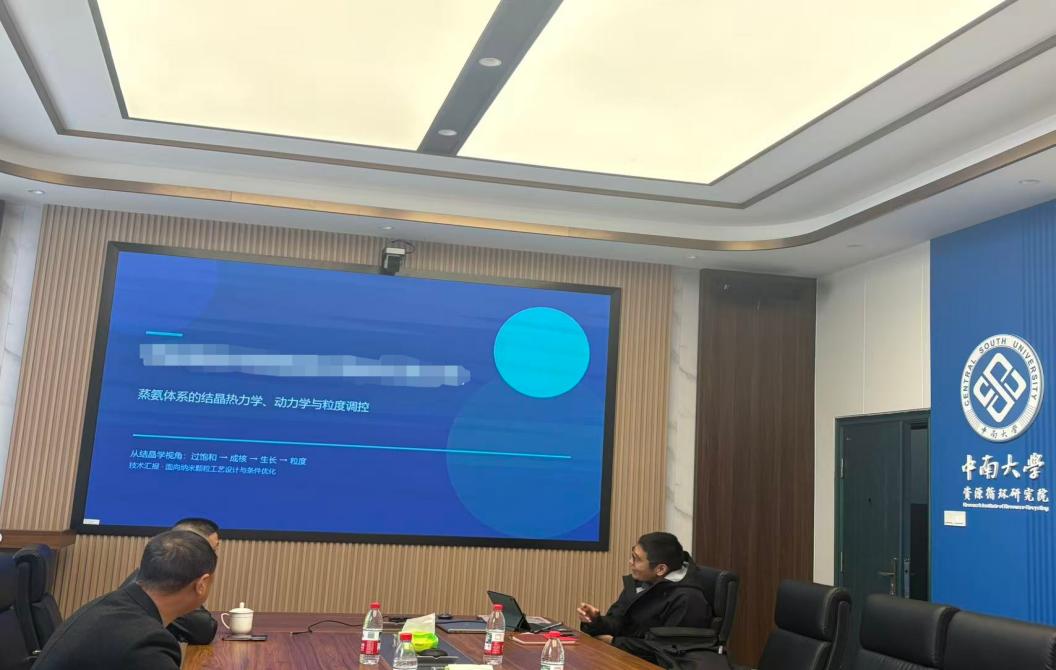
Zhongan Copper will continue discussions with university research teams and further evaluate potential collaboration on high-end copper materials and downstream products. The company aims to explore practical links between research, product development, process improvement, and greener production while strengthening its portfolio of higher-value copper materials.
For public information on Zhongan Copper’s current products, see the technical document center. More information on the institute’s research scope is available from the official Institute of Resource Recycling profile.
The visit created a direct channel between university research capabilities and the company’s production needs.