Electronic-Grade Copper Oxide Powder (CuO) for PCB Electroplating
Electronic-grade copper oxide powder (CuO) for controlled copper replenishment in PCB acid-copper electroplating.
Hazard Characteristics
Characteristics: Toxic, irritating.
Applications
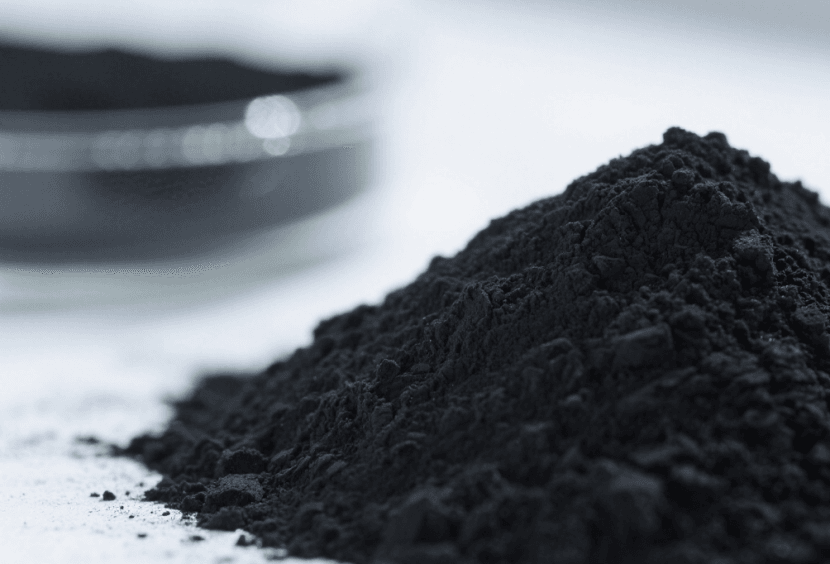
Copper oxide powder (CuO), also known as cupric oxide or black copper(II) oxide, is used as a controlled copper source where stable dissolution and documented impurity control are required. Its uniform particle distribution and flowability support predictable replenishment in PCB acid-copper electroplating systems that use insoluble anodes.
High-end PCB Manufacturing
Inner layer plug hole process technology, flexible printed circuit boards, rigid printed circuit boards, and high-density interconnect (HDI) boards.
Semiconductor PKG Boards
Provides stable plating uniformity and high purity copper source for advanced semiconductor packaging substrates.
PET Composite Copper Foil
Copper source material scenario in new energy/thin composite copper foil process routes.
Silicone Monomer Synthesis
Acts as a highly efficient catalyst for silicone monomer synthesis related applications.
Key Features
Advanced Technology
Prepared by industry-advanced technology and processes.
High Copper Content
High copper content safeguards more stable, precise, and greener production requirements.
Fast Dissolution
Fast acid dissolution supports controlled copper replenishment in PCB acid-copper electroplating systems.
Excellent Fluidity
Smooth surface, low friction, excellent fluidity.
Uniform Distribution
No agglomeration, basically circular particles, uniform particle size distribution, good powder flowability.
Industry standard certification
Compliant with HG/T 5354-2018 Industrial Active Copper Oxide — stable, reliable quality with greater assurance for your applications.
Product Parameters
| Element (inspection item) | Electronic grade specification range | Industrial grade specification range | Inspection result |
|---|---|---|---|
| Copper oxide (CuO) | ≥99.00% | ≥98.00% | 99.30% |
| Chlorine (Cl) | ≤0.0015% | ≤0.15% | 0.0005% |
| Lead (Pb) | ≤0.0005% | — | 0.00006% |
| Sodium (Na) | ≤0.0030% | — | — |
| Magnesium (Mg) | ≤0.0010% | — | 0.00004% |
| Manganese (Mn) | ≤0.0005% | — | 0.00002% |
| Iron (Fe) | ≤0.0010% | ≤0.1% | 0.00025% |
| Nickel (Ni) | ≤0.0010% | — | 0.00009% |
| Zinc (Zn) | ≤0.0010% | — | 0.00003% |
| Calcium (Ca) | ≤0.0010% | — | 0.00039% |
| Acid-insoluble matter | ≤0.003% | ≤0.15% | 0.0002% |
| Dissolution rate in acid | ≤30 s | — | 9 s |
Published specification ranges are shown for reference. Final supply is subject to the applicable batch COA and the agreed specification.
Highlight
Manufacturing · Continuous roasting
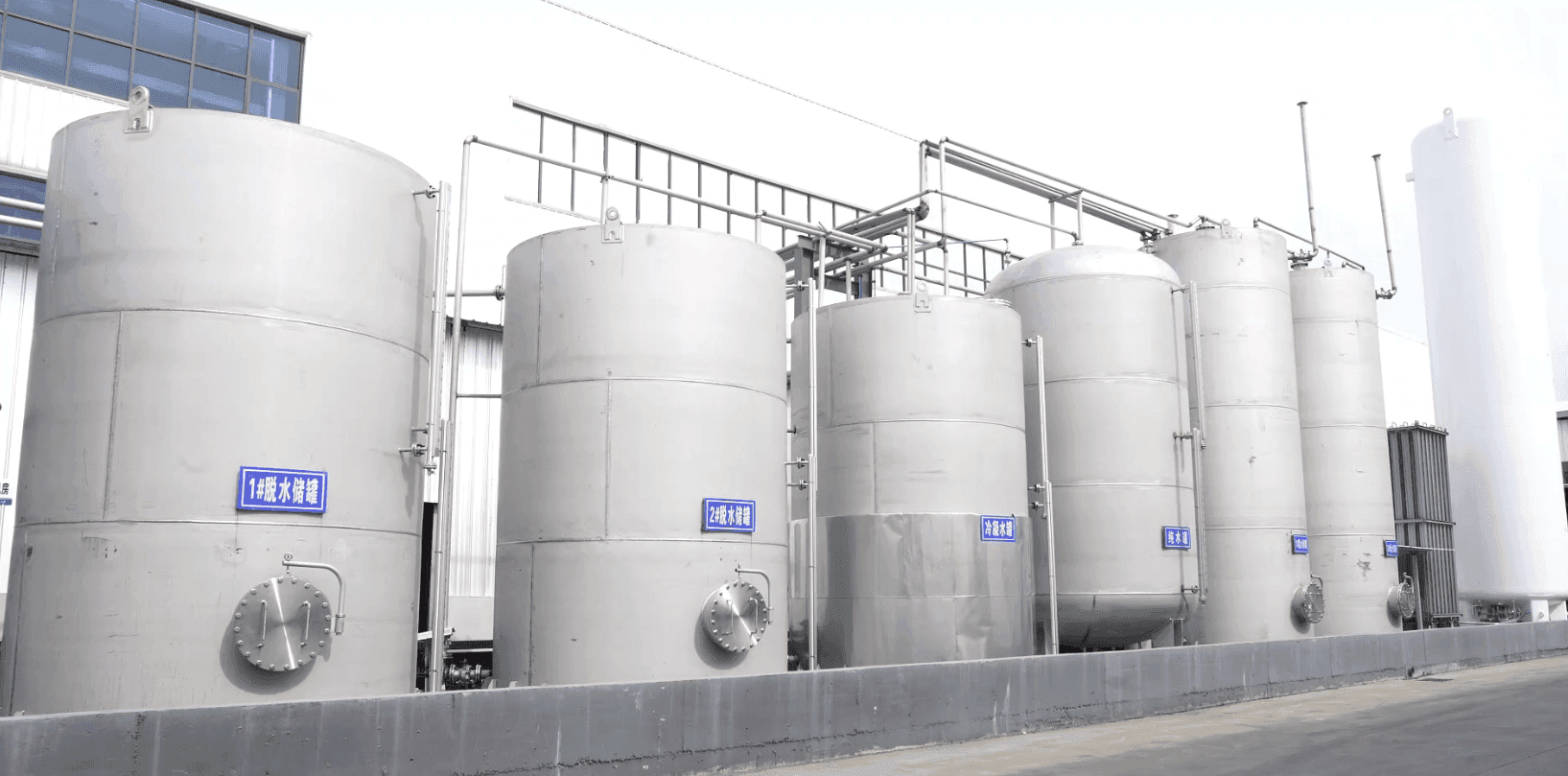
Zhongan Copper is the only manufacturer in China equipped with a fully automatic continuous roasting furnace system for copper oxide powder production.
Core systems
- Automatic sheet cutting machine
- Fully automatic centrifuge
- Custom loading & unloading system
- Robotic arms
- Automatic palletizing
- Full-process automatic control system
From loading and unloading through packaging, the entire flow is under automated control.


Material Information
- CAS No.
- 1317-38-0
- Molecular Formula
- CuO
- Relative Molecular Weight
- 79.55
- Appearance
- Dark brown powder
- Product Form
- Powder
- Packaging
- 25kg bags, 50kg/200kg drums, and 500kg jumbo bags; custom packaging available. Secured with stretch film.
Certificates, Reports & Supplier Documentation
Published documents for engineering review and supplier qualification. Confirm the applicable batch documentation before supply.
Related technical articles
See how product parameters relate to PCB plating, material evaluation, and purchasing decisions.
Copper price vs. copper oxide powder cost
Understand why copper price movements do not translate one-for-one into PCB plating material costs.
How to choose electronic-grade copper oxide powder
A buyer's guide to impurities, dissolution, COAs, and batch consistency.
Acid-insoluble matter in HDI PCB plating
How residue, test methods, and consecutive-lot data affect material evaluation.
Acid dissolution vs. plating-bath dissolution
How to interpret dissolution data under relevant plating conditions.
Why advanced PCB plating lines use copper oxide replenishment
An explanation of pulse plating, insoluble anodes, and copper replenishment.